How to Choose the Best Food Packaging Boxes for Your Retail Business
Picking the correct food packaging containers is crucial for all retail businesses. The decision-making process includes various factors, including material choices, design elements, and eco-friendliness. Every element plays a significant role in ensuring product quality and appealing to consumers. Retail businesses need to consider how these factors align with their brand image and industry standards. Understanding these subtleties can prove decisive in business success. What specific criteria should businesses focus on to ensure optimal packaging decisions?
Why Food Packaging Matters for Retail Success
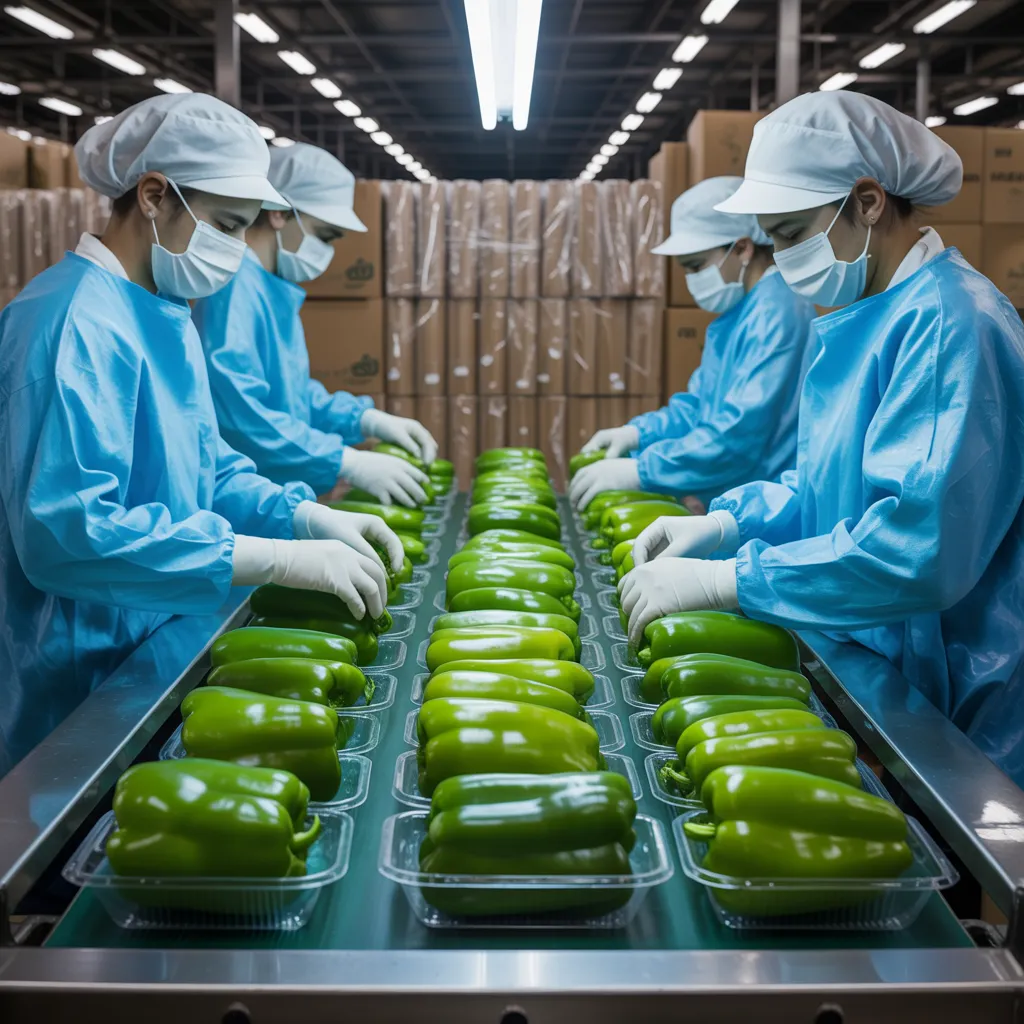
Food packaging plays an essential role in the retail business landscape by influencing consumer perceptions and purchasing decisions. Well-designed packaging acts as a quiet marketing tool, delivering vital product information while building a compelling visual impression. It captures attention on crowded shelves and can differentiate a product from competitors.
Beyond this, packaging gives consumers peace of mind regarding product quality and safety, which is vital in the food industry. Informative labeling, visually compelling designs, and environmentally responsible materials can build brand loyalty and inspire repeat purchases. In addition, purposeful packaging can communicate the brand's vision and message, building a stronger connection with the customer.
Given the expansion of e-commerce, packaging has become essential in guaranteeing products reach customers undamaged and maintain their appeal, affecting consumer reviews and overall satisfaction. In the end, deliberate packaging serves as an important driver of boosting sales and building lasting retail growth.
Key Materials for Food Packaging
Picking the right materials for food packaging is essential for preserving product integrity and securing safety. Numerous materials serve distinct purposes, influencing both preservation and user experience. Commonly used options include paperboard, which provides durability and recyclability, rendering it an eco-friendly option. Plastic, particularly PET and HDPE, delivers excellent barrier properties, safeguarding food from moisture and contamination. Glass containers are preferred for their inert nature, protecting flavor and avoiding chemical interactions.
Metal packaging, including metal cans, proves excellent for prolonging shelf life, especially for perishable items. Additionally, compostable and biodegradable materials are becoming increasingly popular, reinforcing sustainability goals. Each material's cost, availability, and compatibility with specific food types must be considered. In the end, selecting the right packaging material not only safeguards food quality but also showcases an organization's focus on environmental responsibility and safety.
How to Design Packaging That Attracts Customers
Effective packaging design plays a pivotal role in capturing customer attention and increasing brand awareness. To achieve this, organizations should prioritize several critical components. As a starting point, color selection is essential; bold colors can stir emotions and attract attention, while muted shades can express refinement. Second, font choices should be clean and easy to read, making certain that brand identities and product details can be quickly understood.
Including distinctive forms or designs can also make a product stand out on packed display shelves, crafting a lasting impact for shoppers. In addition, images that capture take action the product's value or background can help to engage consumers. Ultimately, weaving a storytelling component or brand message into the packaging builds a stronger bond with the intended audience, driving involvement and lasting dedication. Through carefully merging these components, businesses can create packaging that not only attracts attention but also reinforces their brand identity.
Sustainable Methods in Food Packaging: The Reasons They Matter
As consumers continue to prioritize ecological responsibility, the value of sustainable practices in food packaging remains critically important. Retail businesses are recognizing the importance of using eco-friendly materials that reduce waste and minimize their carbon footprint. Sustainable packaging options, such as biodegradable, compostable, or recyclable materials, not only appeal to environmentally conscious consumers but also enhance brand reputation.
Incorporating eco-friendly measures promotes openness and responsibility, empowering businesses to match the standards of their intended audience. In addition, regulatory trends are moving toward more rigorous environmental guidelines, making it imperative for organizations to integrate sustainable packaging solutions.
Adopting green strategies can generate long-term financial benefits, as companies may reduce operational overhead and boost overall performance. In the end, integrating sustainability in food packaging is not just a moral decision; it is a calculated decision that establishes businesses favorably in an ever-expanding sustainability-driven marketplace.
Finding the Right Balance Between Cost and Quality in Packaging
Within the retail food sector, maintaining a balance of cost and quality in packaging is critical for business success. Companies must thoroughly assess material choices to secure product durability while also implementing economical design solutions that draw in buyers. This equilibrium can significantly influence both financial performance and brand recognition.
Analyzing Material Selections
Selecting the correct material for food storage boxes necessitates a careful assessment of both cost and quality. Several materials, such as biodegradable options, cardboard, and plastic, provide unique strengths and weaknesses. Cardboard is often cost-effective and recyclable, establishing it as a popular choice among vendors. However, its sturdiness may sometimes not meet the requirements of certain food items. Plastic packaging provides superior moisture resistance and can prolong shelf life, but its effect on the environment raises issues. Eco-friendly materials, although generally more expensive, align with sustainability goals and resonate with environmentally aware customers. At the end of the day, the selection process should weigh these considerations, confirming the chosen option safeguards the item while also catering to budget constraints and brand values.
Affordable Design Techniques
Achieving a balance between quality and cost in the design of food packaging requires strategic planning and creativity. Businesses in the retail sector should consider using consistent packaging formats to reduce production costs while optimizing the use of resources. Utilizing straightforward yet attractive designs can enhance brand visibility without adding significant expenditure. Furthermore, opting for versatile materials allows for multiple packaging applications, reducing waste while optimizing resource use. Partnering with suppliers to investigate bulk buying opportunities can further lower costs. In addition, integrating environmentally responsible methods, such as sustainable or decomposable materials, not only appeals to environmentally-conscious consumers but can also result in lasting financial benefits. By applying these economical methods, businesses can attain packaging solutions that satisfy quality standards without exceeding budgets.
Assessing Packaging Choices: Essential Questions to Ask
How can a retail business effectively choose the right food packaging boxes? Selecting the right packaging solution demands close attention to several critical factors. First, businesses should assess the material's suitability for the food type being packaged. Can it ensure food safety requirements are met while keeping the contents fresh? Next, they must consider the design—does it align with the brand identity while also being functional for customers?
Cost is another vital factor. Can the business maintain quality while staying within budget? Additionally, businesses should evaluate the packaging's eco-friendliness. Do eco-conscious alternatives exist that minimize environmental harm?
Finally، the logistics of storage and transportation cannot be disregarded. Is the packaging designed to withstand storage and transportation without being damaged? By evaluating these factors, retailers can arrive at educated conclusions that enhance product appeal and guarantee customer satisfaction.
Questions Our Clients Often Ask
What Are the Key Food Packaging Regulations You Should Be Aware Of?
Standard food packaging regulations encompass compliance with safety standards, labeling mandates, material safety, and environmental regulations. In addition, businesses must ensure that packaging prevents contamination and upholds product integrity across its entire shelf life.
What Are the Ways to Test Packaging Durability for My Products?
To assess packaging durability, one must carry out drop tests, compression tests, and moisture resistance evaluations. Analyzing how packaging endures different environmental conditions and handling processes will yield important knowledge about its overall resilience and trustworthiness in safeguarding products.
Can I Customize Packaging for Seasonal Promotions?
Indeed, packaging is customizable for seasonal campaigns. Organizations frequently create special designs, colors, and finishes that complement the promotional theme, increasing attractiveness while successfully delivering the marketing message to capture the attention of customers during important occasions.
What Are the Top Best Practices for Packaging Food for Delivery?
Successful food packaging for delivery requires utilizing durable, insulated materials to preserve temperature, guaranteeing leak-resistant designs, and adding clear labeling for ingredients and handling guidelines. Additionally, eco-friendly options enhance customer appeal and environmental responsibility.
How Should I Deal With Packaging Waste in My Business?
To address packaging waste effectively, businesses should establish recycling initiatives, utilize biodegradable materials, and motivate customers to send back packaging. Periodic evaluations can also uncover opportunities to minimize waste, fostering a more sustainable approach to operations.